CHINA-INDIA’S DEFENSE MINISTERS MEETING : TURNING POINT OR FOOL’S GAME?
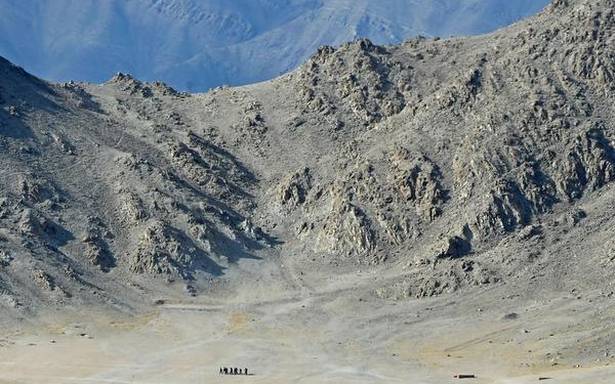
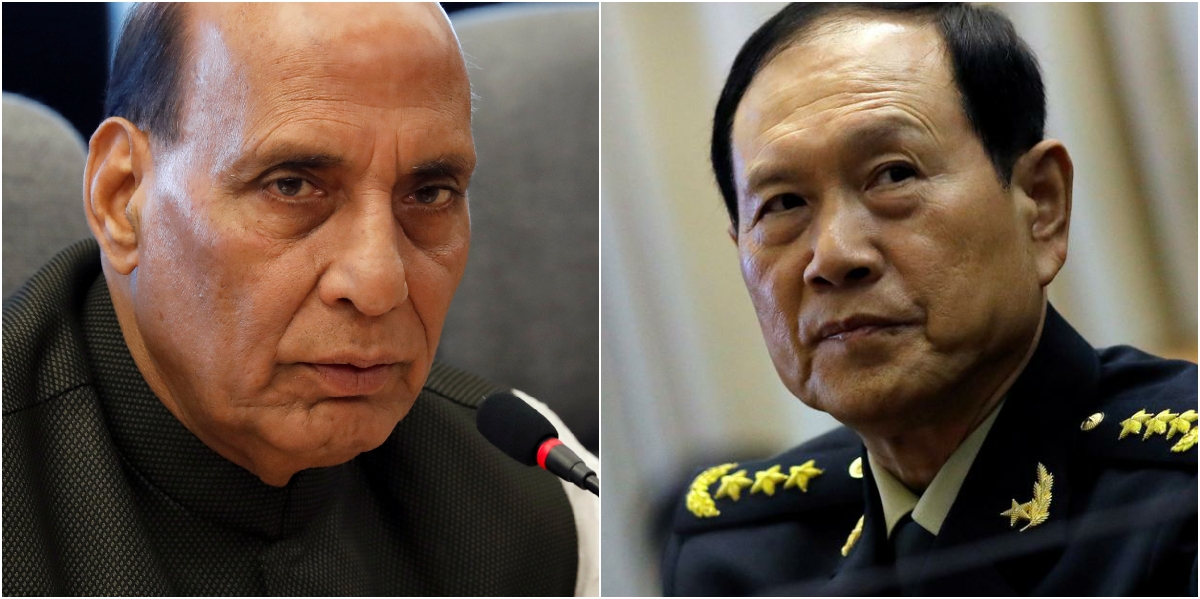
While thousands of Indian and Chinese troops have been poured into eastern Ladakh in a stand-off which has lasted for over four months, Indian defence minister Rajnath Singh and his Chinese counterpart Wei Fenghe have accepted to start talks on the sidelines of the Shanghai Cooperation Organisation (SCO), the highest face-to-face political contact between India and China since the current stand-off began in early May. The fact that the two defense ministers are sitting face-to-face is in itself a positive signal and provides the necessary atmosphere for the two countries to manage their border disputes and cool down the situation on the ground.
Both countries asserted their positions, the talks concluded with each country stating that the other side had agreed to peacefully “de-escalate” the situation. Following the meeting which lasted nearly two and half hours in a Moscow hotel, both countries had agreed to peacefully “de-escalate” the situation. Both sides asserted that they will protect their own sovereignty and territorial integrity.
The Indian statement issued on Saturday afternoon stated that Singh had “emphasised that the actions of the Chinese troops including amassing of large number of troops, their aggressive behaviour and attempts to unilaterally alter the status quo were in violation of the bilateral agreements and not in keeping with the understandings reached between the Special Representatives of two sides”. The Chinese ministry of defence conveyed that “it was important for the two defence chiefs to have a frank exchange of views on relevant issues face-to-face”. Wei had noted that the “causes and truth of the current tension on the China-India border are clear, and the responsibility is entirely with India”.
There also seemed to be a consensus that talks are the only way forward, with China claiming that Singh had underlined that “both sides should keep the channels of military and diplomatic dialogue open.
The fact that the two defense ministers are sitting face-to-face is in itself a positive signal and provides the necessary atmosphere for the two countries to manage their border disputes and cool down the situation on the ground. Chinese State Councilor and Foreign Minister Wang Yi and Indian Minister of External Affairs Subrahmanyam Jaishankar will also plan to meet on September 10. The meeting between Wei and Singh laid an important foundation for the meeting between the two foreign ministers. The complex border issue between China and India cannot be resolved in one meeting, but the role of the two defense ministers will be crucial in cooling border frictions.
The tensions might persist in the near future because the boundary issue is very difficult to solve immediately. The China-India boundary issue, which had been dormant for decades, has become « an active volcano » again in recent years, and it should not be. Before delimiting the border, it should be a common goal for both countries to manage the border issue by letting the disputes become « dormant » between the two sides again.
China and India have not yet demarcated their borders and the Line of Actual Control (LAC) shouldn’t be subject to constant change and different interpretations. The LAC of November 7, 1959 should be the base for both sides.
In the ongoing border tensions, the United States is encouraging India to take aggressive line on the border issue, by waging a border war « at any cost. » The right wing government in New Delhi also believes its alignment with the United States has increased India’s strategic strength and provided it with additional capital for risky adventure along the China-India border. Objectively, China’s military strength, is much stronger than India’s. Although China and India are both great powers, when it comes to the ultimate competition of combat capability, the Indian side will lose. If a border war starts, India will have no chance of winning.